|
TABLE OF CONTENTS HIGHLIGHTS INTRODUCTION HCUP PARTNERS 1. OVERVIEW 2. DIAGNOSES 3. PROCEDURES 4. COSTS 5. PAYERS SOURCES/METHODS DEFINITIONS FOR MORE INFO ACKNOWLEDGMENTS CITATION FACTS & FIGURES 2007 PDF |
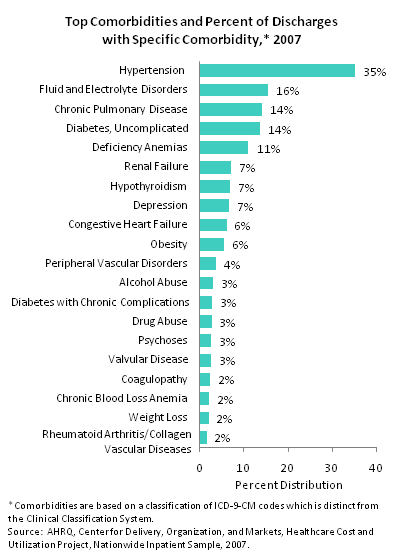
EXHIBIT 2.4 Most Frequent Comorbidities PDF
Top comorbidities and percent of discharges with specific comorbidity, 2007. Bar chart. Percent distribution. Hypertension: 35%; fluid and electrolyte disorders: 16%; chronic pulmonary disease: 14%; diabetes, uncomplicated: 14%; deficiency anemias: 11%; renal failure: 7%; hypothyroidism: 7%; depression: 7%; congestive heart failure: 6%; obesity: 6%; peripheral vascular disorders: 4%; alcohol abuse: 3%; diabetes with chronic complications: 3%; drug abuse: 3%; psychoses: 3%; valvular disease: 3%; coagulopathy: 2%; chronic blood loss anemia: 2%; weight loss: 2%; rheumatoid arthritis/collagen vascular diseases: 2%.
Note: Comorbidities are based on a classification of ICD-9-CM codes which is distinct from the Clinical Classification System. Comorbidities5 are chronic disorders that are not the primary reason for hospitalization, but which may influence the course of hospitalization.
5Comorbidities are different from secondary conditions, as secondary conditions may be directly related to the principal reason for hospitalization while comorbidities are not. For example, retinopathy may be a secondary condition in a hospital stay in which the principal diagnosis is diabetes. However, retinopathy would not be considered a comorbidity of diabetes, as it is a related condition.
|

 Email Updates