


|
TABLE OF CONTENTS HIGHLIGHTS INTRODUCTION HCUP PARTNERS 1. OVERVIEW 2. DIAGNOSES 3. PROCEDURES 4. COSTS 5. WOMEN'S HEALTH SOURCES/METHODS DEFINITIONS FOR MORE INFO ACKNOWLEDGMENTS CITATION FACTS & FIGURES 2009 PDF |
EXHIBIT 5.3 Mood Disorders (PDF)
5.3a
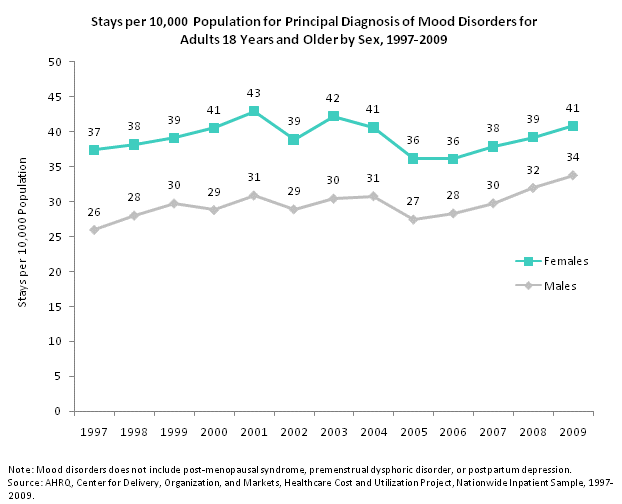
Stays per 10,000 population for principal diagnosis of mood disorders for adults 18 years and older by sex, 1997 through 2009. Line chart. Stays per 10,000 population. Females. 1997: 37; 1998: 38; 1999: 39; 2000: 41; 2001: 43; 2002: 39; 2003: 42; 2004: 41; 2005: 36; 2006: 36; 2007: 38; 2008: 39; 2009: 41. Males. 1997: 26; 1998: 28; 1999: 30; 2000: 29; 2001: 31; 2002: 29; 2003: 30; 2004: 31; 2005: 27; 2006: 28; 2007: 30; 2008: 32; 2009: 34. Note: Mood disorders does not include post-menopausal syndrome, premenstrual dysphoric disorder, or postpartum depression. Source: AHRQ, Center for Delivery, Organization, and Markets, Healthcare Cost and Utilization Project, Nationwide Inpatient Sample, 1997-2009.
The rate of mood disorders has been greater for females compared with males over the 12-year period from 1997 to 2009.
5.3b 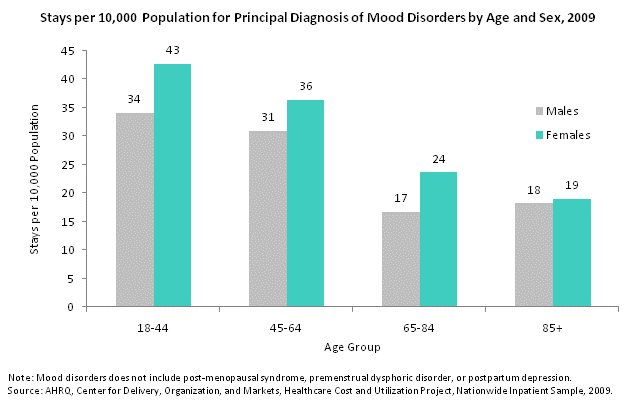
Stays per 10,000 population for principal diagnosis of mood disorders by age and sex, 2009. Column chart. Stays per 10,000 population. 18 to 44. Females: 43; males: 34. 45 to 64. Females: 36; males: 31. 65 to 84. Females: 24; males: 17. 85 and over. Females: 19; males: 18. Note: Mood disorders does not include post-menopausal syndrome, premenstrual dysphoric disorder, or postpartum depression. Source: AHRQ, Center for Delivery, Organization, and Markets, Healthcare Cost and Utilization Project, Nationwide Inpatient Sample, 2009.
The rate of stays for mood disorders generally decreased with age.
5.3c 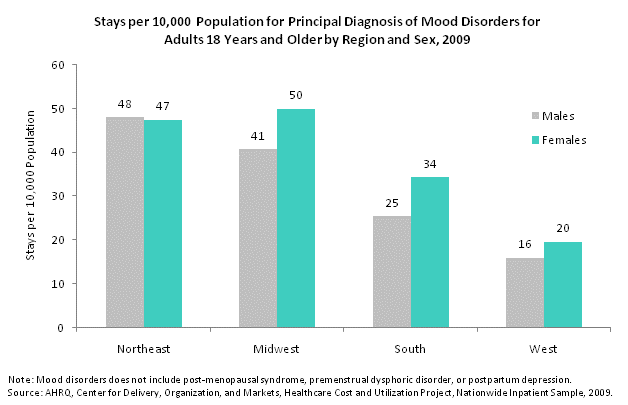
Stays per 10,000 population for principal diagnosis of mood disorders for adults 18 years and older by region and sex, 2009. Column chart. Stays per 10,000 population. Northeast. Females: 47; males: 48. Midwest. Females: 50; males: 41. South. Females: 34; males: 25. West. Females: 20; males: 16. Note: Mood disorders does not include post-menopausal syndrome, premenstrual dysphoric disorder, or postpartum depression. Source: AHRQ, Center for Delivery, Organization, and Markets, Healthcare Cost and Utilization Project, Nationwide Inpatient Sample, 2009.
The rate of mood disorders by sex varied by region.
|

 Email Updates